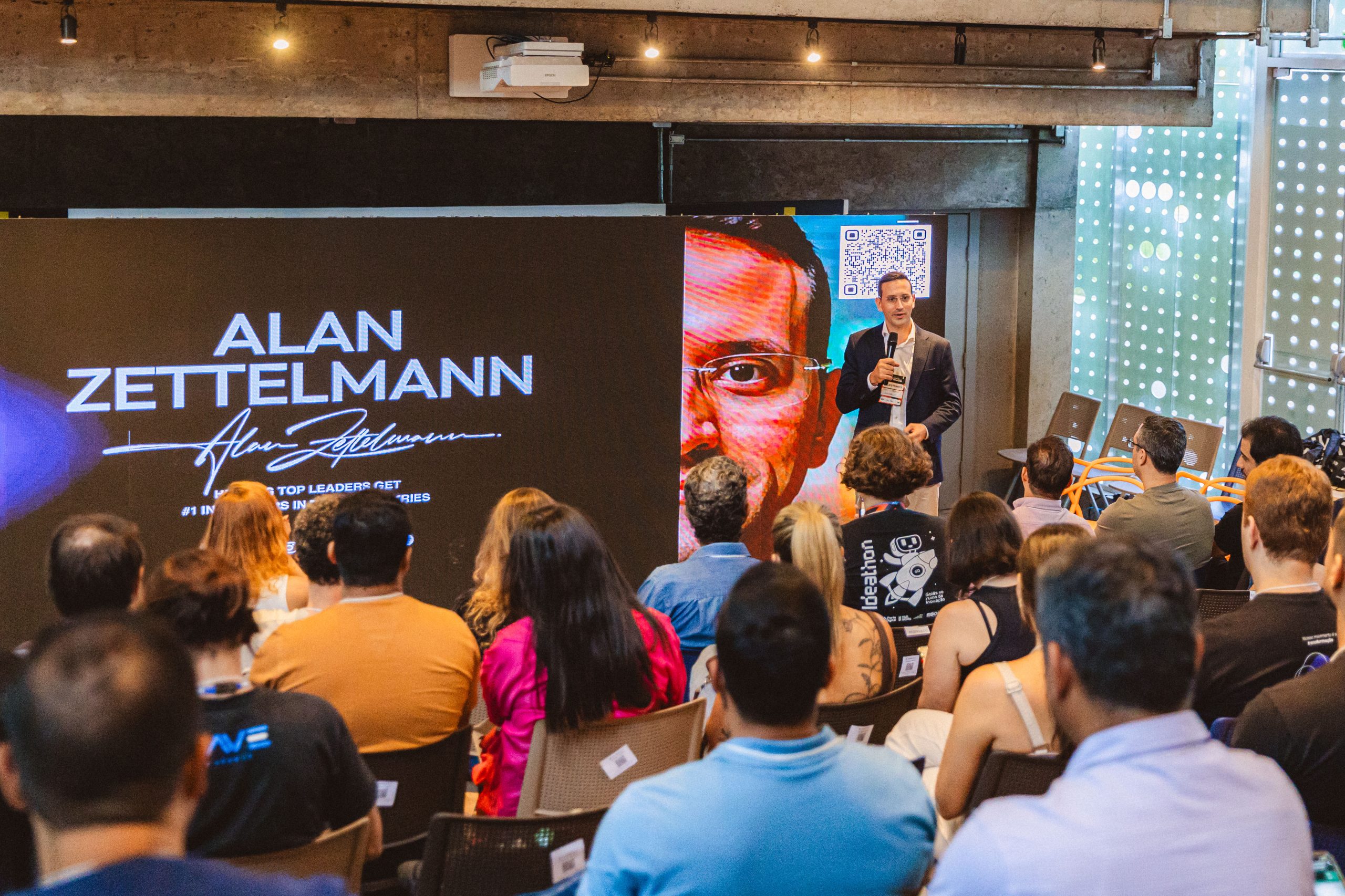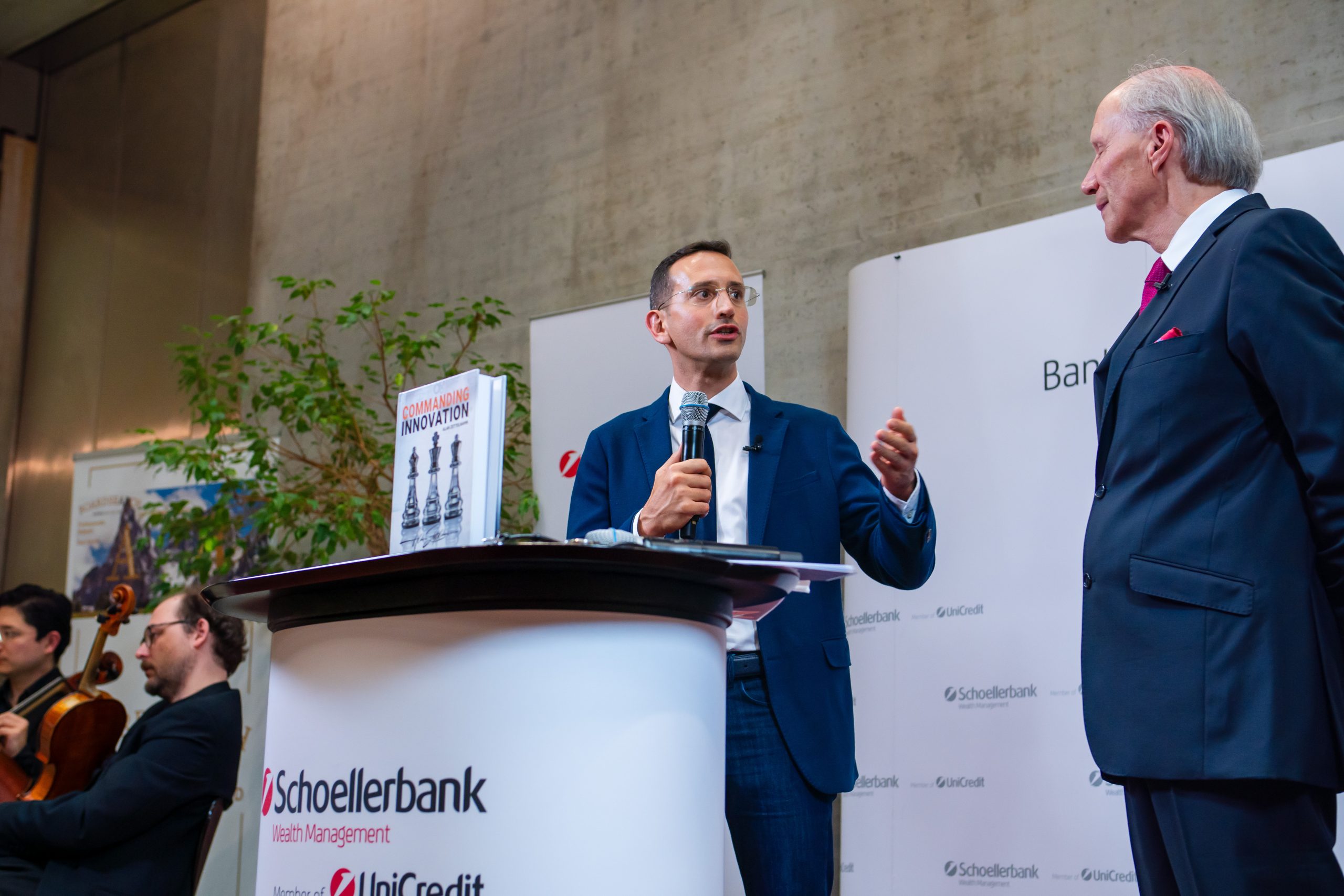

Every year on April 21st, the UN World Creativity and Innovation Day aims to make innovation more visible. To mark this occasion, I’ve shared concrete strategies for driving innovation within organizations—strategies that go beyond theory and focus on structured execution.
Recently, I had the opportunity to lead a series of collaborative sessions focused on how we can redesign innovation processes for a digital-first world. When leadership doesn’t prioritize innovation, or when teams are separated by screens, the Governance of Innovation becomes even more critical.
Here are the key takeaways from our deep dive into the future of digital innovation:
On this page
- 1. Design Thinking Next Level: Beyond the Sprints
- 2. Strengthening Innovation in Times of Crisis
- 3. Rethinking Innovation Processes Digitally
- 4. Virtual Agile Project Management
- Why this matters for your business:
1. Design Thinking Next Level: Beyond the Sprints
Innovation often stalls not due to a lack of ideas, but because of a lack of a clear process. We analyzed the pitfalls and success factors of Design Sprints. The conclusion is clear: Design Thinking must be a managed discipline, not just a creative exercise.
2. Strengthening Innovation in Times of Crisis
How do we drive innovation when the board doesn’t see it as a priority? We discussed how to leverage rapid digitalization to maintain employee engagement and keep creativity flowing virtually.
- The Takeaway: Creative work does not require a physical office; it requires a structured environment where trust and goals are aligned.
3. Rethinking Innovation Processes Digitally
If we were to design an innovation process from scratch for a 100% digital world, what would it look like? We explored the attractiveness of digital solutions and how to move from “offline-to-online adaptation” to “digital-native governance”.
4. Virtual Agile Project Management
Agile management works online when you have the right frameworks. Using tools like KANBAN boards, User Stories, and digital retrospectives allows for a constructive and critical look at our own virtual behavior. This isn’t just about moving Post-its; it’s about managing results.
Why this matters for your business:
Not everything can be transferred 1:1 from offline to online, but the virtual world offers unique opportunities for scale and speed. As part of my mission to bring Innovation Management standards to Brazil and globally, I believe that digital-native processes are the only way to sustain a long-term competitive advantage.
Is your company still trying to “adapt” old processes, or are you ready to rethink them for a digital-first world?
Author of “Commanding Innovation” | Board Advisor | ISO 56000 Expert
Innovation is no longer a creative luxury; it is a mandate of strategic governance. I am here to help you take the helm and turn knowledge into market power.
- 🏛️ Direct Strategic Contact: https://alanzettelmann.com/contact/
- 🎯 Discover your Innovation Potential (Exclusive Assessment): https://alanzettelmann.com/innovation-assessment/
- 📖 Official Book & Implementation Workshop: https://alanzettelmann.com/book/
🔗 Connect & Follow:
- LinkedIn: linkedin.com/in/alanzettelmann
- Instagram: @alanzettelmann
Frequently asked questions
Why do innovation processes stall?
Usually for lack of a clear process rather than lack of ideas. Where no one knows how an idea advances or who decides, ideas accumulate without progressing.
Can agile management work in a fully virtual setting?
Yes, with the right frameworks. Kanban boards, user stories and digital facilitation make remote agile workable, provided the practices are designed for the medium.
What does not transfer from in-person to virtual?
Not everything maps one-to-one. Some workshop dynamics need redesign rather than translation, though the virtual format offers scalability that in-person work cannot match.